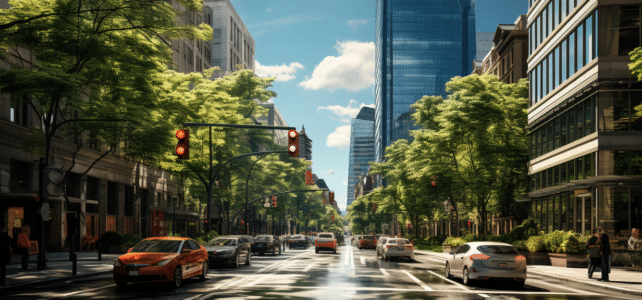
Urban mobility is on the brink of a green revolution, driven by climate imperatives and societal expectations for sustainable development. Urban centers, facing congestion and pollution, are the stage for eco-responsible innovations that are reshaping the transportation landscape. From electric vehicles to sharing solutions, along with the rise of soft transport modes and the integration of artificial intelligence to optimize flows, these advancements promise to transform our daily commutes. The focus is on reducing greenhouse gas emissions and improving air quality while providing an enhanced user experience.
Eco-responsible innovations revolutionizing urban mobility
New transport modalities represent a cornerstone in the reinvention of urban mobility. Electric cars, autonomous vehicles, electric bikes, carpooling: these means of transport embody significant disruption. Consider the cyclospace vehicle, a synthesis between the bike and motorized personal space, emerging as a suitable solution for short urban trips. These innovations, integrating disruptive technologies, have the potential to profoundly impact existing transport infrastructures.
The management of urban mobility is being transformed by the strategic use of real-time data. This data, crucial for the fluidity and efficiency of road transport, allows for speed adjustments and the rerouting of traffic flows. Connected infrastructures, powered by this valuable information, thus become dynamic elements capable of responding agilely to the demands of urban life.
The relationships between new modalities and infrastructures revolve around a necessary symbiosis between innovation and the urban framework. The impact of these new modalities on transport infrastructures is both a challenge and an opportunity. Smart cities exploit this interaction to create environments where sustainable mobility and economic efficiency coexist.
The facts demonstrate: the adoption of these transport innovations is inseparable from changes in lifestyles. Remote work and flexible schedules are altering commuting habits and paving the way for more adaptable approaches to mobility. Foresight and lexicometric analysis, supported by interviews with experts, help outline the contours of urban mobility that continuously adapts to the changing needs of city dwellers while preserving the environment for future generations.
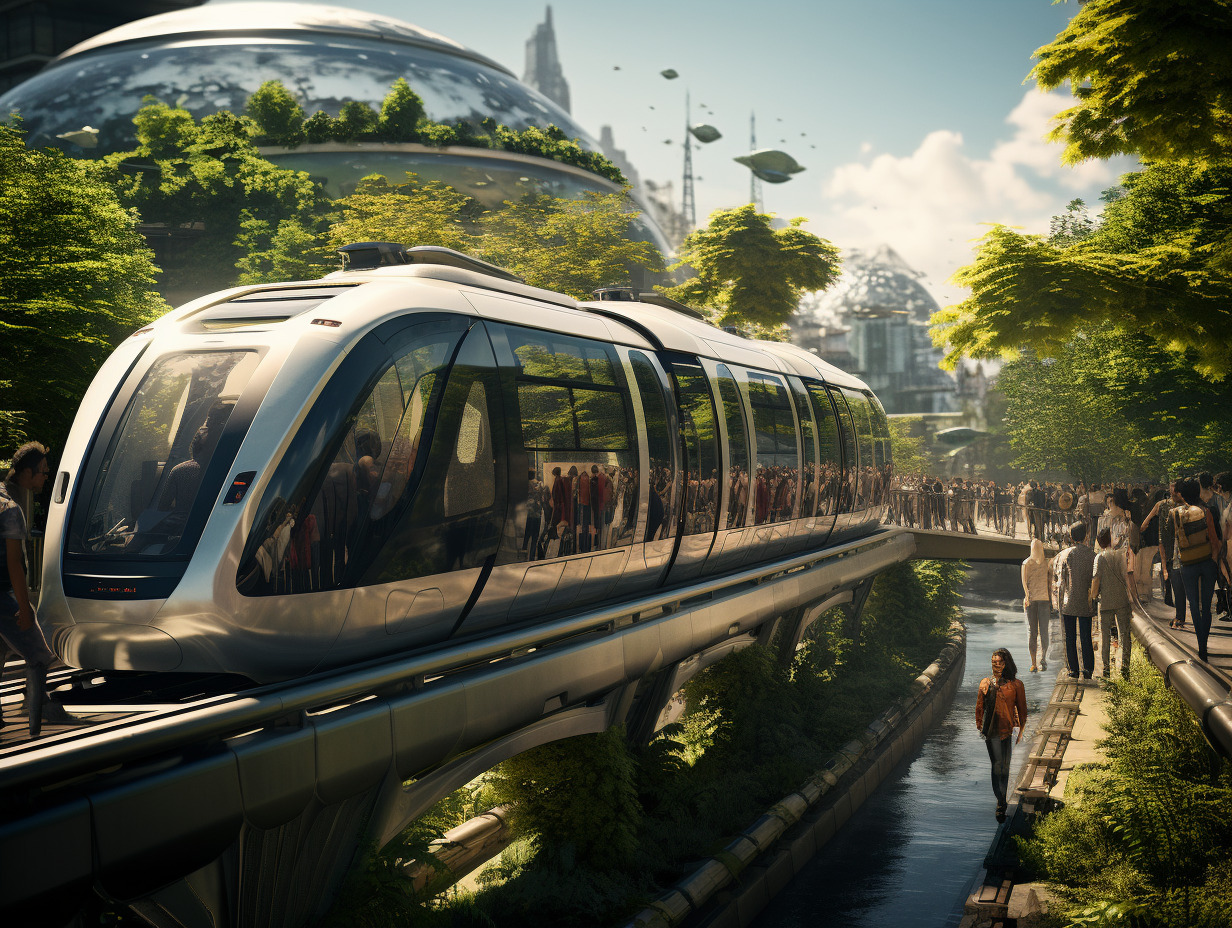
The challenges and perspectives of sustainable urban mobility
Transport infrastructures, vital elements of metropolises, are facing an unprecedented transformation. They must now meet sustainability requirements while supporting economic dynamism and improving the quality of life for city dwellers. Reducing greenhouse gas (GHG) emissions remains a major challenge for these structures, often considered the most emissive sector after industry. The management and planning of transport systems, at the heart of urban policies, require in-depth reflection and adaptation in the face of climate change.
The mobility models currently in place are constantly evolving, influenced by societal changes such as remote work and flexible schedules. These changes create new opportunities for the transport sector, redefining commuting needs and enabling a more environmentally friendly functional economy. Foresight and lexicometric analysis contribute to this reflection by developing scenarios for a future urban mobility that is more resilient and greener.
Interviews with experts provide a qualitative and in-depth view of the urban mobility of tomorrow. They help identify the expectations and concerns of various stakeholders involved in designing sustainable cities. These dialogues contribute to shaping transport policies that anticipate future needs while considering ecological imperatives. The city of tomorrow is being shaped through these exchanges, with the promise of mobility that combines innovation and respect for our ecosystem.