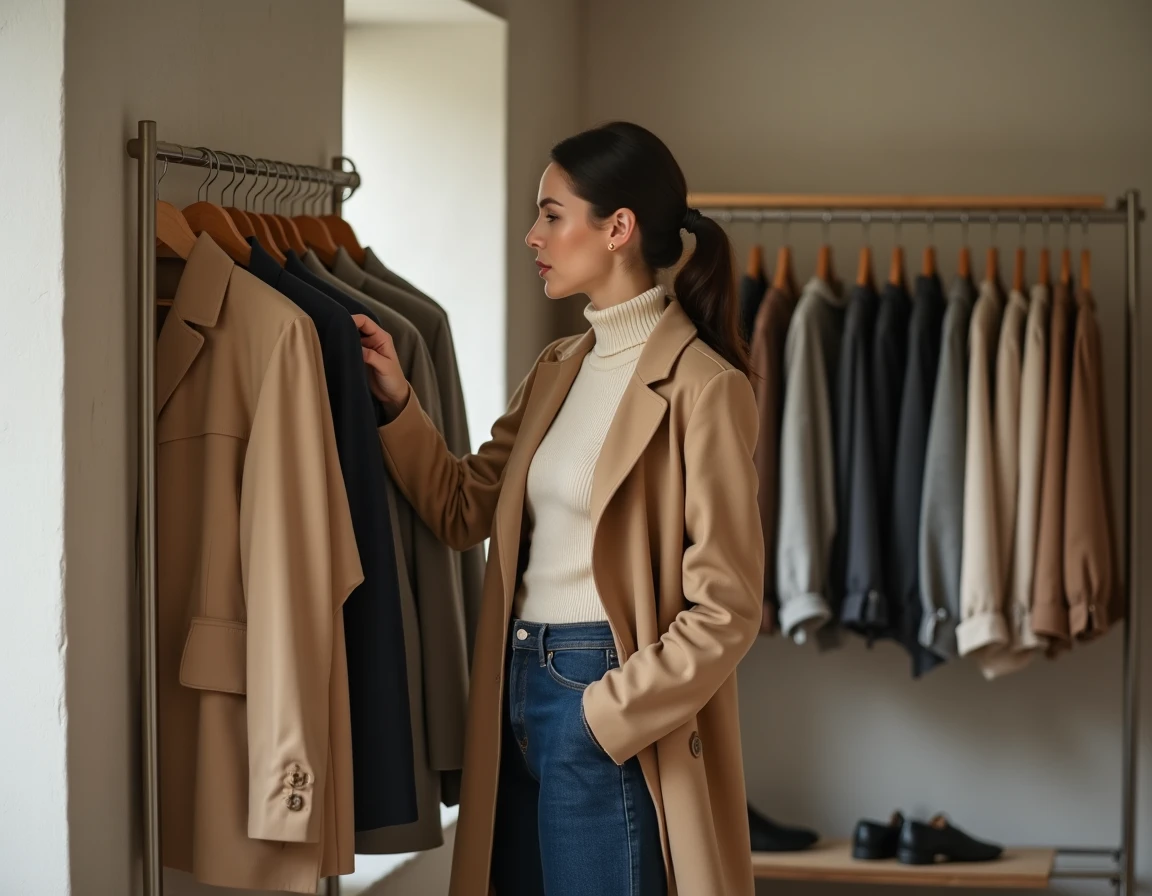
This season’s fashion trends are less visible on the runways than in vertical video feeds. The pieces that perform well in social commerce (asymmetrical tops, metallic finishes, highly saturated colors) now dictate best-sellers long before runway reports. Understanding this mechanism changes the way to compose a stylish and sustainable look.
Micro-fashion trends and accelerated obsolescence driven by algorithms
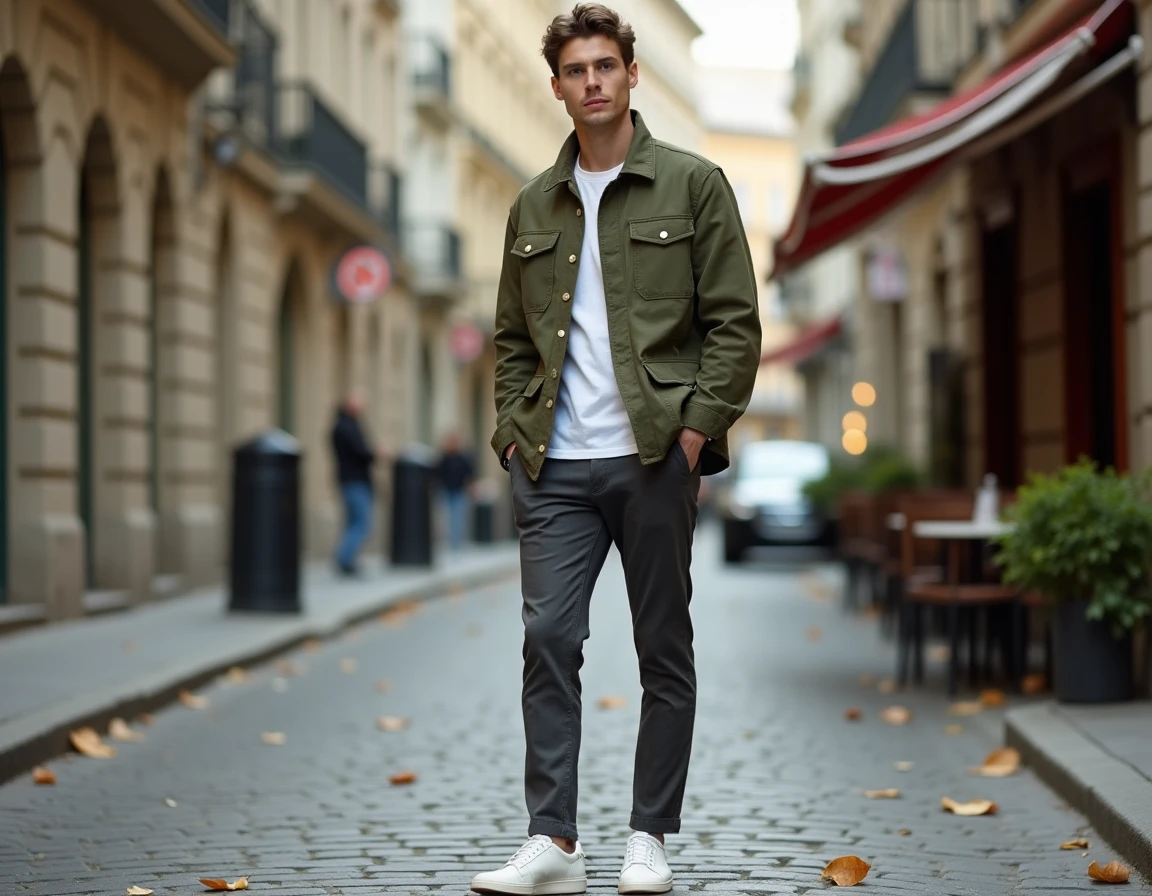
Classic seasonal cycles no longer match market reality. TikTok and Instagram algorithms propel and then bury an aesthetic within weeks. The “tomato girl,” “mob wife,” or “clean girl aesthetic” phenomenon has demonstrated this: each of these micro-trends peaked and then declined in less than a quarter.
For a wardrobe that stands the test of time, we recommend distinguishing foundational pieces from algorithmic impulse items. A structured jacket, straight-cut pants, and a dense knit sweater remain relevant even when the feed has already changed direction three times.
A common mistake is to base one’s wardrobe on a trending hashtag. The opposite approach works better: build a neutral and technical base, then add one or two fast-moving trend elements (a saturated accessory, an asymmetrical cut top). This is a logic we regularly find developed on the Blog 4 Web site, which details concrete associations between basics and seasonal pieces.
Saturated colors and metallic effects: what the video filter selects
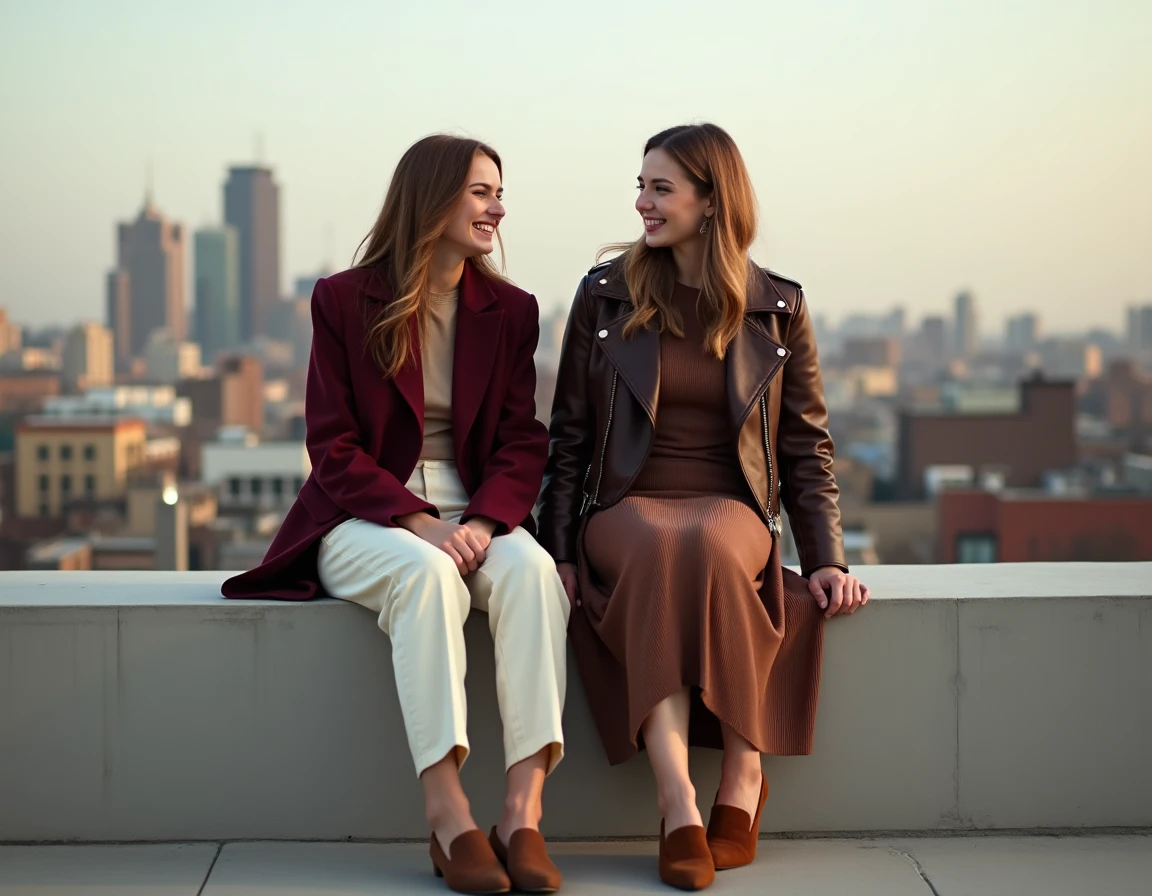
Highly saturated shades outperform in vertical video. This is not a stylistic coincidence: the video compression of social platforms flattens pastel hues and subtle gradients. A bright red, cobalt blue, or emerald green “reads” better on screen than a rosy beige.
The same mechanism explains the rise of metallic finishes. A lamé fabric or a chrome accessory captures light even in poor selfie lighting. Brands have integrated this: current collections multiply reflective surfaces on everyday pieces (bags, belts, strappy sandals).
Saturation and stylish everyday looks
Wearing highly saturated colors in a total look requires a color mastery that most guides overlook. We observe that the color block works best when limited to a single strong piece, paired with a sober monochrome background (black, off-white, anthracite gray).
On wide cobalt pants, a white top suffices. On a metallic skirt, a black crew neck sweater refocuses the silhouette. The basic rule: the saturated piece draws the eye, while everything else fades away.
Responsible capsules: when seasonal trends meet textile traceability
Several major European brands now communicate about capsule lines that incorporate specific environmental criteria: minimum percentage of recycled fibers, traceability of the production chain, textile certifications. H&M, Inditex, and Mango publish these commitments in their recent CSR reports.
This shift directs collections towards stylish basics designed to last several seasons. Cut takes precedence over fashion effect, and the fabric weight over trendy prints. A certified recycled cotton t-shirt, properly cut, replaces three cheap t-shirts bought on impulse.
- Check the exact composition on the label: a minimum percentage of recycled or organic fibers is found on responsible capsule lines, unlike standard lines.
- Favor recognized certifications (GOTS, OEKO-TEX, GRS) rather than vague marketing mentions like “conscious collection.”
- Compare cost per wear: a durable piece worn for two seasons costs less than an impulsive purchase worn three times.
The impact on seasonal style
These capsules are not limited to neutral basics. We are seeing colorful pieces, graphic prints, and current cuts emerging in these traceable ranges. Responsible fashion no longer imposes aesthetic compromises, provided the right references are targeted.
Virtual fitting and fashion trends: the filter that guides purchases
The virtual fitting filters deployed by fast fashion apps and Instagram alter the shopping journey. A piece that “looks good” through an app’s AR filter will be ordered more, regardless of its actual appearance once delivered.
This bias favors specific characteristics:
- Asymmetrical cuts create perceptible movement even in still images or chest shots.
- Shiny or satin textures capture the simulated light of the filter and appear more “luxurious” on screen.
- Bright colors compensate for the loss of detail associated with the low resolution of stories and reels.
The result: the trends adopted en masse are those that pass the vertical filter test. This is an invisible yet decisive selection criterion that runway-focused guides do not mention.
Adapting your look to the reality of wear
Before purchasing a piece spotted through a filter, we suggest checking two points. Does the drape of the actual fabric match the simulation? Does the color retain its intensity in natural light? Returns related to a discrepancy between the AR rendering and the delivered product remain a recurring issue for brands.
The best strategy for a stylish look this season is based on a simple principle: buy fewer pieces, better chosen, balancing visual appeal and textile quality. Trends come and go, but the cut-to-fabric ratio remains the only reliable indicator of stylistic durability.