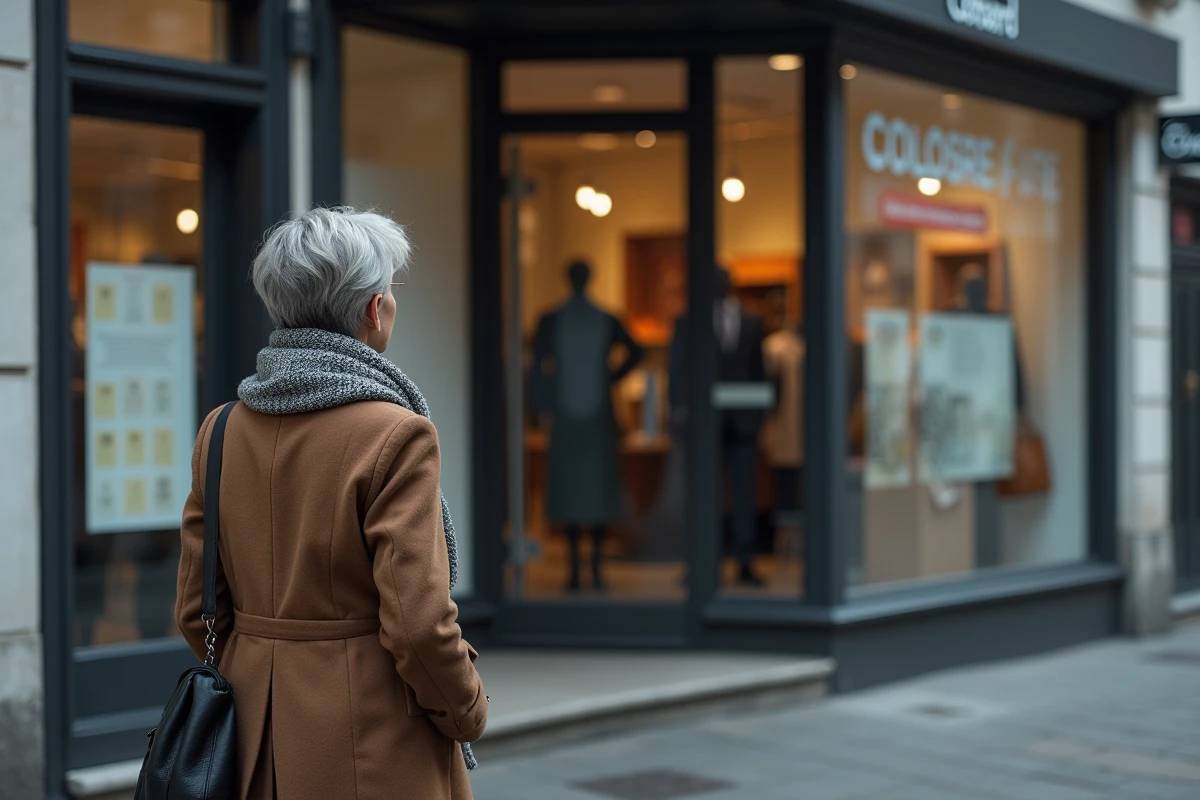
Kiabi, Camaïeu, San Marina: the list of brands forced to close is growing. Between 2022 and 2024, nearly 5,000 clothing stores have permanently ceased operations in France, according to figures from the Alliance du Commerce. The wave affects both historic chains and newer franchises.
The multiplication of social plans is disrupting the lives of thousands of employees, many of whom find themselves without immediate solutions. The entire sector is undergoing major restructuring, with direct consequences on local employment and the commercial fabric of city centers.
Wave of closures in fashion: a status report in France
The shutters are coming down at a pace that raises questions: the wave of store closures is hitting city centers and shopping malls across the country without mercy. This phenomenon makes no distinctions: metropolises, small towns, or coastal areas, the entire territory is bearing the brunt. The foot traffic in city centers is inexorably sliding, driven by the rise of online shopping and pressure on household budgets. Nearly 5,000 retail outlets have disappeared in less than two years, a stark observation made by the Alliance du Commerce.
To understand the extent of this wave, one only needs to observe the permanent closure of clothing stores: every week, new brands announce their withdrawal, unable to cope with declining foot traffic, soaring costs, and the headache of renewing their business model. Major shopping centers, once the driving force, are also feeling the backlash. It is impossible to ignore the list of affected stores, which continues to grow and exposes the fragility of an entire sector.
To measure the phenomenon, several trends emerge:
- Decline in foot traffic in city centers
- Shopping centers under pressure
- Jobs threatened across France
No region is escaping this wave of store closures. Jobs are at risk, storefronts are emptying, and some neighborhoods are losing part of their vibrancy. Several brands have already abandoned entire areas, leaving streets in monotony. This brutal transformation forces a rethinking of the future of physical retail in France: now, only rapid adaptation seems to allow staying in the race.
Which clothing brands are directly affected today?
The list of affected stores continues to grow as closure announcements pile up. Groups that seemed untouchable just yesterday are now wobbling under the weight of an unfavorable economic climate. In city centers as well as in commercial zones, the ready-to-wear sector is taking hit after hit, weakened by changes that go beyond mere fashion trends.
In the Pyrénées-Orientales or in Tours, Indre-et-Loire, the closure of retail outlets is accelerating. Brands that have been established for years must deal with sharply declining foot traffic and successive restructuring plans. For some groups, judicial recovery has been initiated, triggering a wave of serial closures. In Claira, for example, several stores have permanently closed, while elsewhere, uncertainty still looms as procedures are ongoing.
Here are the most common observations from local testimonies:
- Successive departures of brands in small and medium-sized towns
- Consolidation of closures in already fragile commercial zones
- Increase in announcements of social plans
The closure of stores is not limited to large metropolises. In medium-sized towns, each disappearance weighs heavier: it often deprives the neighborhood of a landmark, weakens local dynamics, and leaves a void that is hard to fill. The restructuring plans aim to be rational, but they sow anxiety among both employees and customers attached to their local businesses.
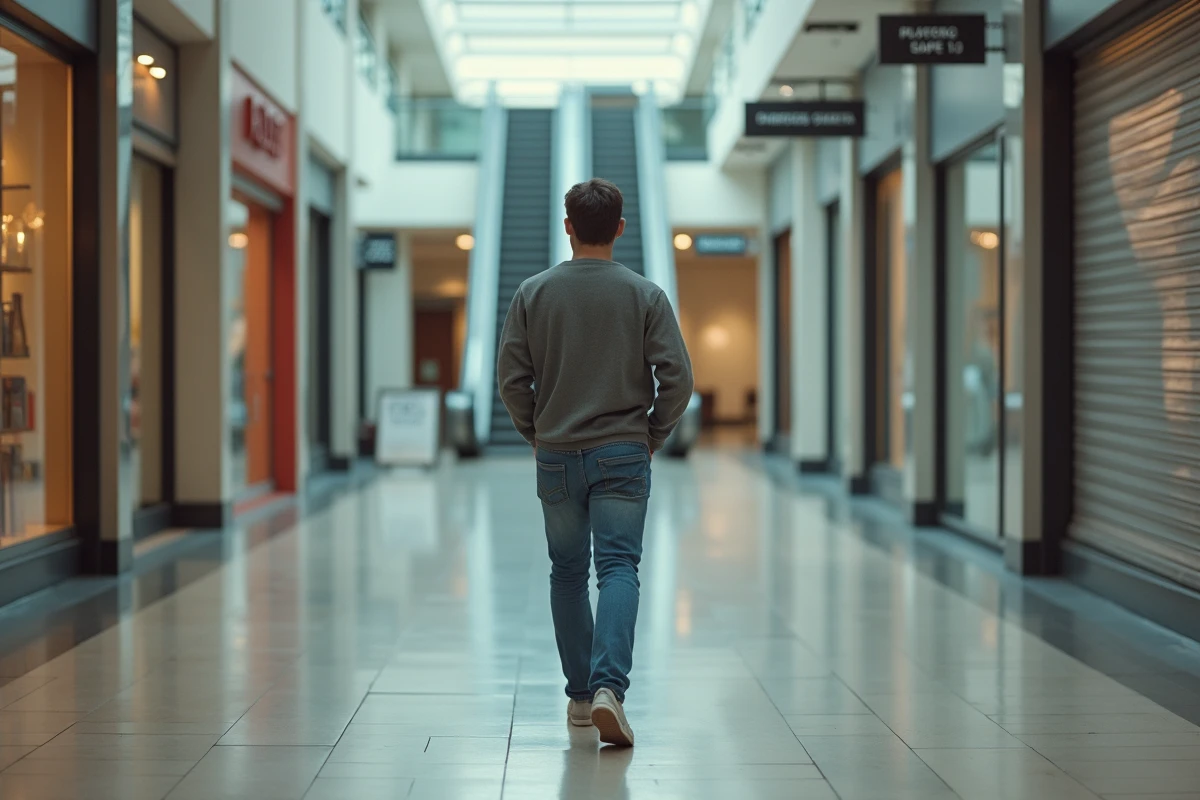
Between uncertainty and concern: what impacts for employees and the social fabric?
The wave of store closures in clothing is not just about darkened windows or dismantled signs. Each closure translates into jobs threatened or eliminated, and teams plunged into a heavy waiting period, often punctuated by contradictory announcements. The ready-to-wear sector is going through an unprecedented turbulence where the word “rescue” is too often heard in the hallways.
For the store teams, uncertainty is setting in. Lengthening notice periods, back-to-back meetings, eroding social protection: professional and personal lives are being turned upside down. We see seasoned employees forced to start from scratch, ambitions abruptly halted. Even the loyalty of loyal customers is no longer enough to stave off layoffs.
The situations faced by employees are varied:
- Forced departures, sometimes rushed
- Professional retraining filled with uncertainties
- Growing isolation in fragile employment areas
When a store closes, the entire neighborhood feels the effects. Neighboring merchants see foot traffic decline, visits become rarer, and the atmosphere deteriorate. In some city centers, the disappearance of a ready-to-wear brand accelerates the weakening of the social fabric, widening the gap between territories. Local elected officials, often powerless, are seeking ways to halt the spiral of emptiness. Communities are trying to support the businesses that resist, but the room for maneuver is shrinking in the face of the scale of the phenomenon.
France is discovering, through these drawn curtains, the fragility of an entire part of its economy. One does not quickly close the door on a business rooted in the life of a street, nor the chapter it represented in local life.