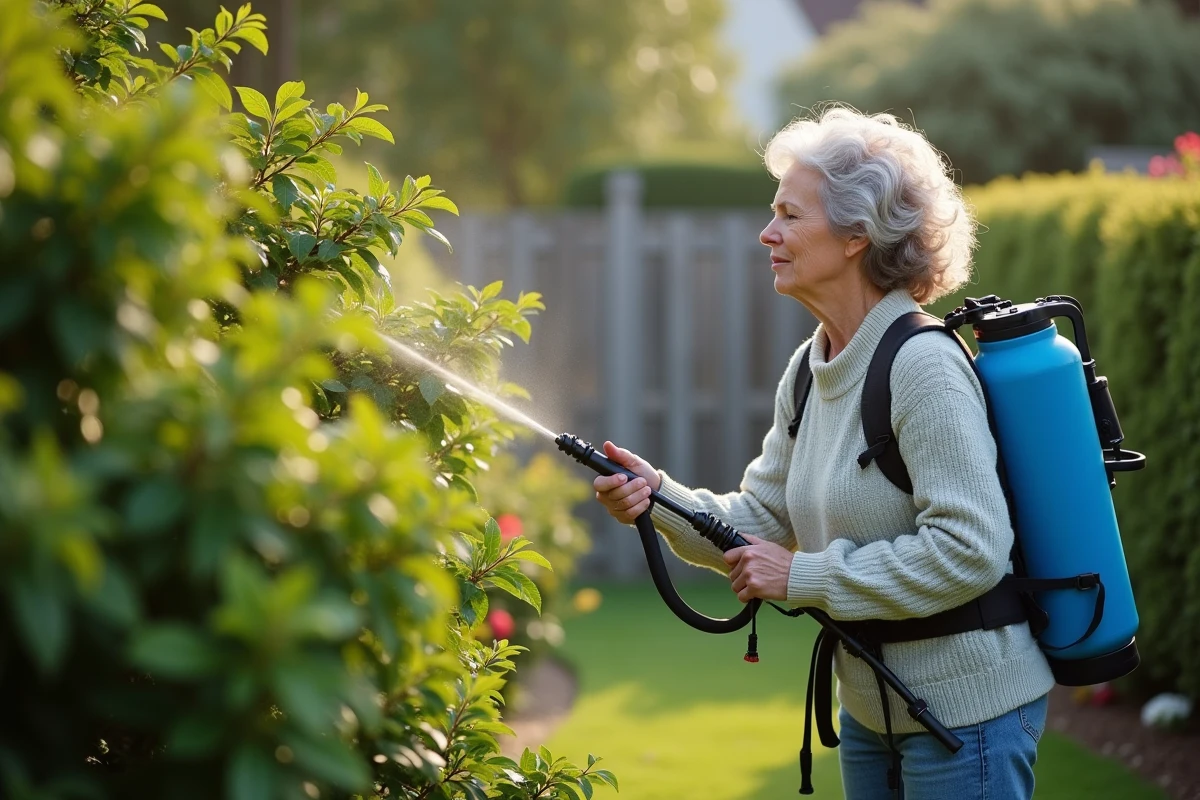
The combination of Bordeaux mixture and palm laurel often leads to dosage or timing errors, resulting in leaf burns or treatment inefficacy. Preventive application, often recommended for other species, exposes palm laurel to phytotoxic risks under certain climatic conditions or at inappropriate times.
Joint use with sulfur, although practiced in some gardens, increases the risk of damage, especially when temperatures exceed 25°C or in cases of persistent humidity. Regulations also limit the frequency of treatments to protect the plant and the environment.
Why does palm laurel need treatment against diseases?
Palm laurel, a true pillar of urban and rural hedges, is not immune to formidable adversaries. Cryptogamic diseases, bacteria, or fungi manage to settle discreetly, taking advantage of stagnant moisture on thick leaves to thrive. When dark spots, discolored areas, or perforated leaves appear, the damage is often already well established. Even robust, the laurel eventually shows signs of weakness that should raise alarms.
Using Bordeaux mixture for palm laurel thus addresses a concrete need: preserving the vitality of the hedge and halting the progression of diseases. This copper-based mixture, both fungicidal and bactericidal, acts preventively during periods favorable to infections, particularly against scab or canker that target laurels in the humid spring.
But the gardener’s arsenal is not limited to spraying. It is also essential to ensure good air circulation around the plants, control watering to avoid excess water, and systematically remove fallen diseased leaves. When the disease has progressed, using Bordeaux mixture can stop the advance of pathogens and protect young shoots. For more details on treatment periods and proper dosages, the dedicated page ‘Bordeaux mixture for palm laurel’ remains a valuable resource.
When to apply Bordeaux mixture and sulfur on palm laurel for optimal effectiveness?
Choosing the right time to treat makes all the difference. For palm laurel, prioritize autumn after leaf drop, or late winter just before the spring awakening. These windows correspond to peaks of vulnerability to fungal diseases and allow for action without disrupting the plant’s growth. Spraying should always be done in dry weather, with no rain expected in the coming days, to avoid the copper being washed away before it can act.
The Bordeaux mixture is applied diluted, according to the manufacturer’s instructions, ensuring the correct dosage of copper sulfate for ten liters of water. Avoid any intervention in cold weather or during frosts: the plant would be even more sensitive. Wait until the thermometer exceeds 10°C. Sulfur can complement or alternate with Bordeaux mixture, especially during prolonged humid periods to limit fungal attacks.
Here are the essential precautions to follow for these treatments:
- Avoid treating in full sun, as this could burn the laurel foliage.
- Maintain an interval of two to three weeks between applications during at-risk periods.
- Never spray during flowering to protect beneficial garden fauna.
By adhering to these rules, the alternating or reasoned use of Bordeaux mixture and sulfur becomes a reliable defense against palm laurel diseases. The health of the soil and the garden ecosystem is preserved.
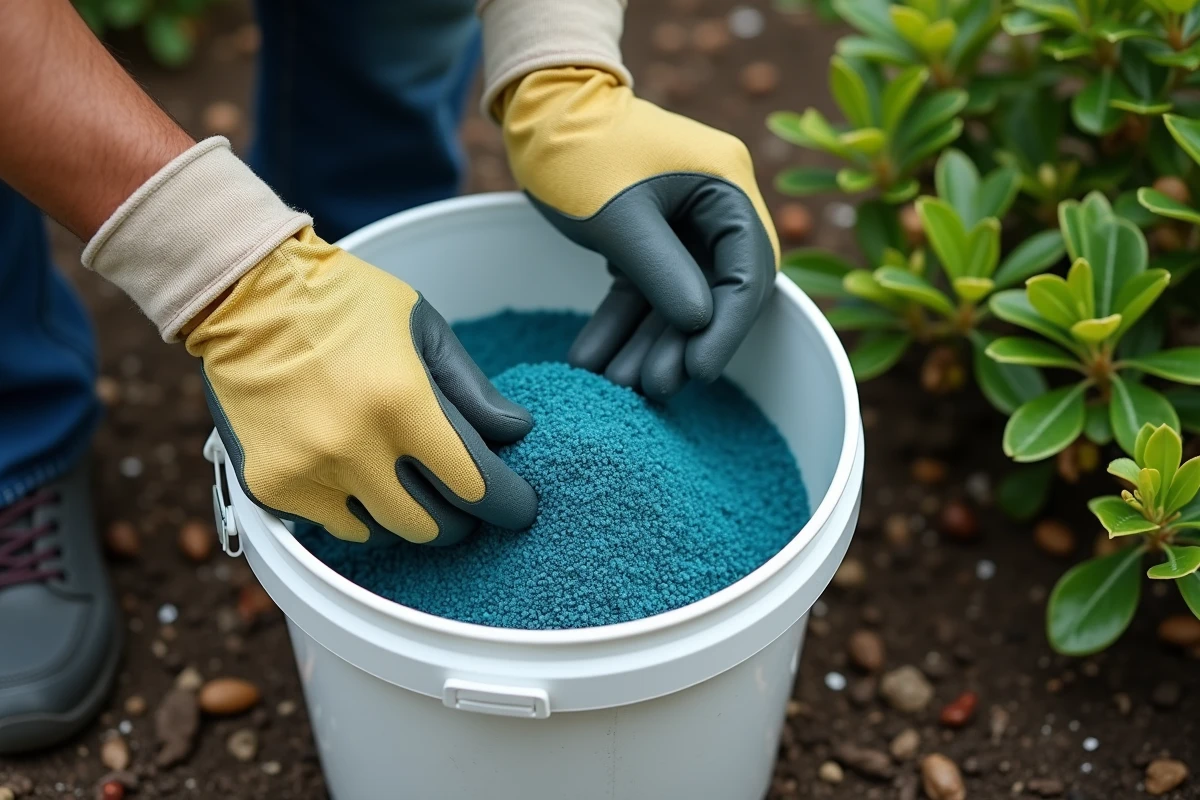
Precise dosages and precautions for safely treating your palm laurel
For the Bordeaux mixture to effectively protect your palm laurel, it is essential to be light-handed and follow a strict method. Use 10 to 20 grams of Bordeaux mixture for 10 liters of water: this concentration limits the addition of copper to the soil while slowing the appearance of diseases. Mix the solution well, then spray it in a fine mist on both the top and bottom of the leaves, ensuring the liquid does not run off.
Consider your safety: equip yourself with gloves, goggles, and a mask to avoid any contact with skin or eyes. Do not treat if it is windy or raining, to avoid contaminating runoff water or the water table. Wait for favorable weather, without excessive heat.
To ensure the success of the treatment, keep these key measures in mind:
- Never apply Bordeaux mixture on young tender shoots or during flowering: this will spare the pollinators.
- Always respect a delay of at least 15 days between treatments; moderation protects both your hedge and the environment.
- Store the product away from moisture, in its original packaging, out of reach of children.
Copper is not trivial, even in organic farming. Adapt each treatment to the vigor of the palm laurel and the pressure of diseases to achieve lasting protection, without excess or collateral damage. Cultivating a healthy hedge also requires discernment and moderation with each intervention. The garden will thrive better, season after season.